

Why Material Logistics Matter: Delivering Ready-Mix Concrete Efficiently to Active Jobsites
September 8, 2026
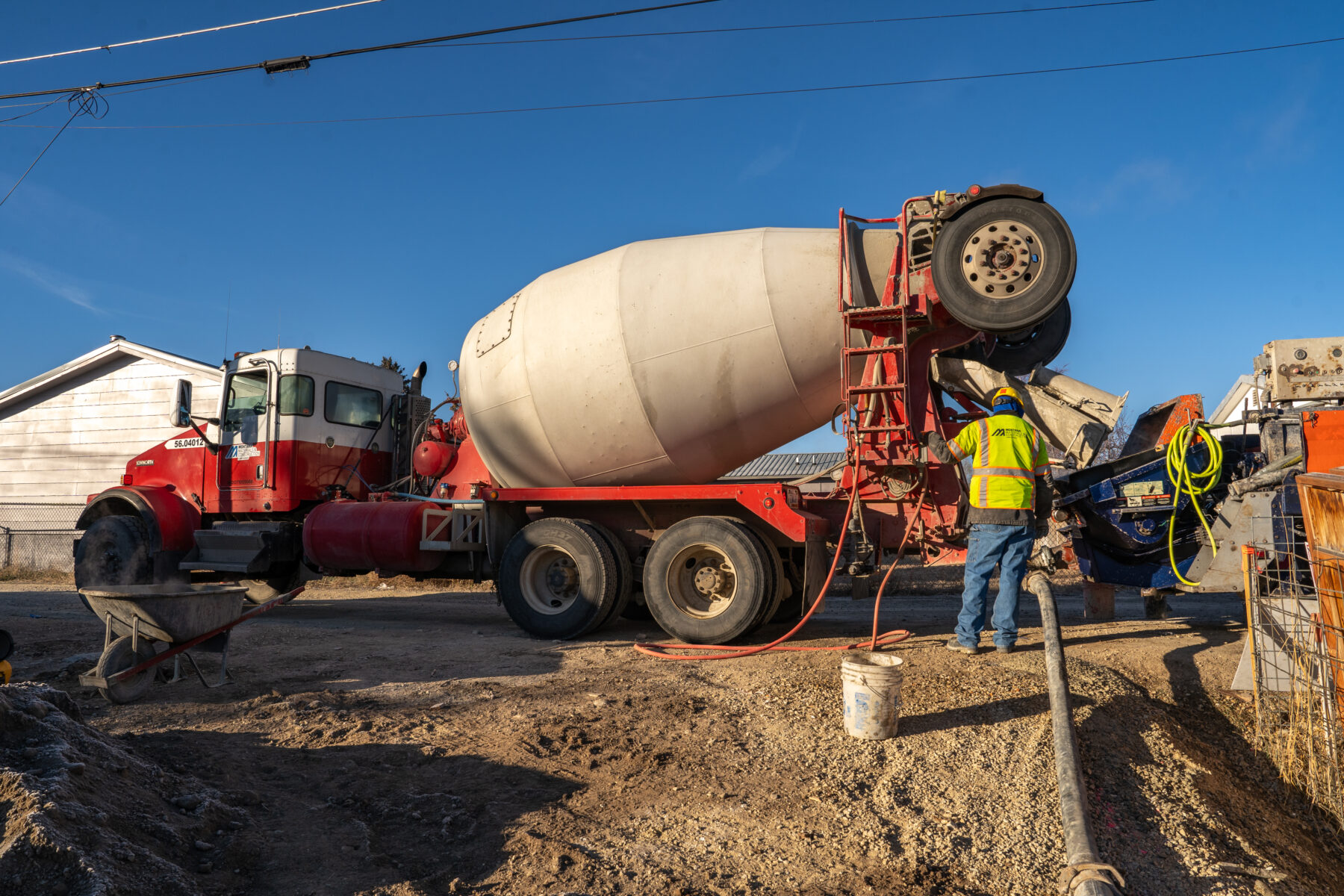
Ready-mix concrete works on a clock that starts the moment it leaves the plant. From the first pour of the day to the final truck on a large placement, the quality of the finished work depends on how well every load moves from batch plant to jobsite. Strong logistics turn that tight timeline into an advantage, keeping concrete fresh, consistent and ready to place the instant a crew needs it.
Across Southwest Montana, active jobsites run on this kind of coordination. A supplier that plans routes, schedules trucks and manages timing with care gives builders a smoother pour and a stronger result. The sections below explain why logistics carry so much weight in ready-mix delivery and how thoughtful planning keeps a project moving.
Why Does Timing Matter So Much With Ready-Mix Concrete?
Concrete begins to set as soon as water meets cement, so the window for placing it is limited. A load that sits too long loses workability and starts to lose strength, which is why delivery timing sits at the center of every successful pour.
Well-planned timing keeps each truck arriving at the right moment. Crews place and finish one load, and the next arrives before the previous batch begins to stiffen. That steady rhythm produces a continuous pour with even curing across the whole surface. Several pieces work together to make that possible:
- Accurate scheduling that matches truck arrivals to the pace of the crew.
- Realistic travel time built around distance, traffic and site access.
- Flexible dispatch that adjusts on the fly when a pour speeds up or slows down.
When timing holds, the pour flows without gaps and the concrete cures as one uniform mass. That consistency depends just as much on what happens inside the drum during the trip.
How Does Delivery Protect Mix Consistency?
A mix design only performs as intended if it reaches the site in the same condition it left the plant. Every batch carries a specific balance of cement, aggregate, water and admixtures, and protecting that balance in transit is a core part of good logistics.
The drum keeps turning throughout the trip, which holds the mix uniform and prevents the aggregate from settling. Shorter, well-planned routes limit the time concrete spends traveling, so it arrives within its workable window and matches the specification the project calls for. A supplier with a broad range of mix designs, from standard residential strengths to higher-strength commercial blends, can match the right recipe to each job and then deliver it while it is still true to spec.
Consistency from the first truck to the last also means the finished surface behaves the same throughout. Even curing, uniform strength and a clean finish all trace back to concrete that arrived as designed. Holding that standard load after load calls for a fleet built to perform.
Why Is Fleet Reliability Central to Efficient Delivery?
The trucks themselves carry a heavy share of the logistics workload. A well-maintained fleet keeps concrete moving on schedule, and a supplier with enough capacity can keep loads flowing even on large or fast-moving pours.
Reliable delivery rests on a few practical strengths:
- Fleet size that supplies continuous pours without long gaps between trucks.
- Consistent maintenance that keeps every mixer road-ready and dependable.
- Broad regional coverage that reaches jobsites across a wide service area.
A supplier serving the broad geography of Southwest Montana needs the capacity to reach spread-out sites while keeping each load within its time limit. Enough trucks and enough plant capacity mean a crew rarely waits, and a pour rarely stalls. That dependable flow of material sets the stage for the coordination that ties a project together.
How Does Coordination Keep a Jobsite Moving?
Delivery does not happen in isolation. It works best when the supplier and the crew operate as one team, sharing information before and during the pour. Clear coordination turns a series of individual deliveries into a smooth, predictable process.
Good coordination starts well before the first truck rolls out. The supplier confirms the mix design, the volume, the schedule and the site access, then plans dispatch around those details. During the pour, open communication lets both sides adjust in real time. If a crew moves faster than expected, dispatch sends the next load sooner. If a delay hits the site, trucks can be spaced out to avoid concrete waiting in the drum.
This kind of teamwork reduces waste, protects the budget and keeps the placement on track from start to finish. It also reflects the value of working with a supplier that offers a full range of materials and services, since one coordinated source can align concrete delivery with the other materials a project needs. That combination of planning, capacity and communication is what makes efficient delivery possible across the region.
Why Does Local Sourcing Improve Delivery in Southwest Montana?
Geography shapes every concrete delivery, and a supplier rooted in the region holds a real advantage. Serving Southwest Montana for decades builds the local knowledge that keeps logistics running smoothly, from familiar routes to a clear understanding of seasonal conditions.
Local sourcing shortens the distance between plant and pour, which keeps concrete fresh and within its workable window. Plants positioned across the service area let trucks reach jobsites in Butte, Anaconda, Helena and the surrounding communities without long hauls that eat into placement time. A supplier that knows the local terrain, weather and building demands can plan each delivery around the realities of the site. Paired with a broad range of quality materials and construction services, that regional strength turns dependable delivery into dependable results.
Frequently Asked Questions
How Long Can Ready-Mix Concrete Stay in the Truck Before Placement?
Most ready-mix concrete should be placed within about 90 minutes of batching, though admixtures and weather can shift that window. The drum keeps turning during transit to hold the mix uniform, and shorter routes help the concrete arrive well within its workable time.
How Far in Advance Should Concrete Delivery Be Scheduled?
Scheduling one to two days ahead works well for standard orders, while large or complex pours benefit from more lead time. Early scheduling gives the supplier room to prepare the correct mix design, plan routes and stage enough trucks to keep the pour continuous.
What Causes Delays in Ready-Mix Concrete Delivery?
Traffic, difficult site access, weather and last-minute changes to a pour can all affect timing. A supplier with a large fleet, multiple plant locations and flexible dispatch can adjust quickly, which limits the impact of these factors and keeps concrete arriving on schedule.
Why Is Local Sourcing Better for Concrete Delivery?
Local sourcing shortens haul distances, so concrete reaches the jobsite fresher and within its time limit. A regional supplier also understands local routes, terrain and seasonal conditions, which supports more accurate scheduling and reliable delivery across the service area.
How Does Fleet Size Affect a Large Concrete Pour?
A larger fleet keeps loads arriving in a steady rhythm, which prevents gaps that can create cold joints in a continuous pour. Enough trucks and plant capacity allow a big placement to proceed without stalls, protecting both the schedule and the quality of the finished concrete.